


Thank you for Subscribing to Med Tech Business Review Weekly Brief
Eye Care Diagnostic Solutions
Eye Care Diagnostic Solutions refers to advanced technologies and clinical systems used to detect, monitor, and assess ophthalmic conditions and vision health. The category includes retinal imaging devices, optical coherence tomography systems, diagnostic software, screening instruments, and vision assessment tools that help eye care professionals improve diagnostic accuracy, early disease detection, and patient treatment outcomes.
Solutions
Topcon Healthcare
Advancing Eye Care through Intelligent Diagnostics
., .
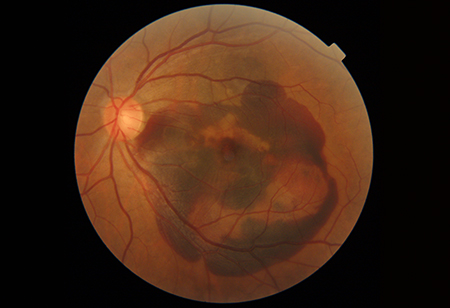
Advancements in ophthalmic diagnostics technologies are opening new possibilities for smarter workflows and consistent, high-quality imaging. Topcon Healthcare is spearheading this movement with the highest quality solutions designed with Japanese innovation.
Leadership Perspective

Drägerwerk AG & Co. KGaA (Dräger)
The Art of Bridging the Gap between Technical Expertise and Regulatory Intelligence
Stefanie Hirsch, Chief Sustainability & Quality Officer - Member of the Executive Board
Stefanie Hirsch is the President for Quality and Regulatory Affairs at Drägerwerk AG & Co. KGaA (Dräger). With over 20 years in healthcare, she oversees the company's global Quality Management System and regulatory strategies for medical devices. Her extensive experience spans Quality, Regulatory Affairs, Compliance, Project Management, Operations and R&D. Passionate about contributing to health and well-being, Stefanie embraces a generalist approach to leadership, constantly learning in today's ever-changing landscape. She is driven to share her insights with emerging leaders, especially women, advocating for diverse perspectives to foster continuous improvement.
Eye Care Diagnostic Solutions Info
Q1
What Do Eye Care Diagnostic Solutions Companies Provide to Eye Care Professionals?
Companies in the Top Eye Care Diagnostic Solutions category develop technologies that help ophthalmologists, optometrists and eye clinics detect, assess and monitor ocular conditions more accurately and efficiently. These solutions support screening, diagnosis and disease management across areas such as glaucoma, retinal disorders, diabetic retinopathy, cataracts and dry eye disease. The category includes optical coherence tomography systems, fundus cameras, refraction technologies, corneal topography platforms and connected imaging software. Many eye care diagnostic solutions providers also integrate cloud-based data management and workflow tools to support coordinated patient care across clinical environments.
Q2
What Technologies Are Included in Eye Care Diagnostic Solutions?
The Top Eye Care Diagnostic Solutions market includes multimodal imaging systems, AI-assisted diagnostic software, robotic imaging devices and connected data platforms used in modern ophthalmic practices. Common technologies include OCT and OCT angiography systems, non-mydriatic retinal cameras, visual field analysis tools and digital refraction systems. Many eye care diagnostic solutions companies also offer interoperable software platforms that consolidate patient imaging and clinical data into unified workflows. The category increasingly includes cloud-connected systems that support remote collaboration, referral coordination and AI-powered disease analysis.
Q3
Why Is Demand Growing for Eye Care Diagnostic Solutions?
Demand for Top Eye Care Diagnostic Solutions continues to increase because eye care providers are managing higher patient volumes while facing growing expectations for early disease detection and efficient workflows. Aging populations and rising rates of diabetes are also contributing to increased screening requirements for retinal and systemic health conditions. Healthcare systems are placing greater emphasis on preventive care and connected diagnostics, which has accelerated interest in imaging technologies that improve clinical visibility and support faster decision-making. Advances in AI-assisted analysis and remote diagnostic capabilities are also expanding how eye care diagnostic solutions are used across both specialty and primary care settings.
Q4
How Are Top Eye Care Diagnostic Solutions Providers Evaluated?
Healthcare organizations evaluating Top Eye Care Diagnostic Solutions often compare imaging quality, diagnostic consistency, workflow integration and interoperability before selecting technologies. Buyers typically assess whether systems can streamline patient throughput while maintaining high clinical accuracy and usability for technicians and physicians. Integration with electronic medical records, cybersecurity protections and long-term service support are also important considerations. Discussions within professional eye care communities additionally highlight the importance of intuitive software, calibration reliability and local technical support when comparing eye care diagnostic solutions providers.
Q5
How Do Eye Care Diagnostic Solutions Create Value for Clinics and Patients?
Top Eye Care Diagnostic Solutions help clinics improve diagnostic efficiency, reduce workflow bottlenecks and support earlier detection of ocular disease. Automated imaging and connected data systems can help reduce manual administrative work while improving access to longitudinal patient information. For patients, advanced diagnostic technologies may support faster identification of vision-threatening conditions and more informed treatment planning. Financially, eye care practices evaluate these solutions based on throughput efficiency, diagnostic reliability, maintenance requirements and long-term operational value. Reliable eye care diagnostic solutions services can also help clinics improve coordination between primary eye care providers and specialists.
Q6
What Role Do Innovation and Artificial Intelligence Play in Eye Care Diagnostic Solutions?
Innovation remains central to the Top Eye Care Diagnostic Solutions category because ophthalmic diagnostics increasingly rely on automation, connected imaging and AI-assisted analysis. Manufacturers continue developing robotic imaging systems, cloud-based diagnostic platforms and multimodal technologies that improve clinical consistency and support broader healthcare integration. Artificial intelligence is also becoming more important in retinal analysis, disease progression monitoring and risk detection for systemic conditions identified through ocular imaging. Many eye care diagnostic solutions companies now combine advanced imaging, interoperability and predictive analytics to support more scalable and data-driven eye care delivery.
