

Top Sterilization and Infection Control Solutions in Europe 2026

Sterilization and Infection Control Solutions in Europe refers to specialized technologies, equipment, and consumables designed to prevent contamination and maintain clinical hygiene across healthcare environments. The category includes sterilizers, disinfectants, decontamination systems, and infection-prevention products that help hospitals, laboratories, and medical facilities comply with stringent European healthcare safety and regulatory standards.

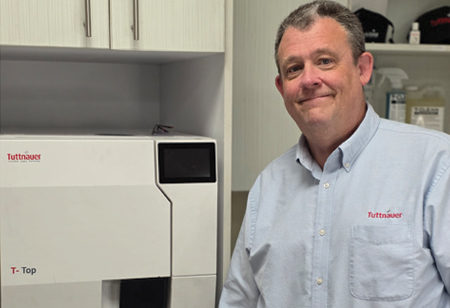
Tuttnauer: The Global Experts in Sterilization and Infection Control
Tuttnauer
The Global Experts in Sterilization and Infection Control
Dan McGinley, National Sales Manager
The rapid influx of complex instruments into integrated delivery networks (IDN) is reshaping the healthcare landscape. Many of these devices require pre- and post-vacuum steam sterilization for validation—capabilities that smaller care settings often lack. The mismatch has created operational blind spots in clinics and ambulatory surgical centers, forcing providers to rely on outdated sterilization equipment and exposing them to compliance risks.

Clinical Safety Systems: Advanced Sterilization And Pathogen Prevention

Sterilization and infection control solutions form the backbone of clinical safety and public health protocols by preventing pathogen transmission across healthcare, laboratory, and communal environments. These solutions encompass a broad array of technologies and practices, from high-performance sterilizers and low-temperature chemical systems to ultraviolet disinfection, surface antimicrobial treatments, and procedural controls that standardize reprocessing and environmental cleaning.

Advancing Sterilization and Infection Control for Modern Healthcare

Sterilization and infection control have moved well beyond basic steam cycles and paper logbooks. Instruments used across physician offices, ambulatory surgical centers and integrated delivery networks have grown more complex, often requiring validated pre- and post-vacuum steam processes rather than gravity cycles alone. Yet many outpatient environments still rely on legacy tabletop sterilizers and manual documentation practices that predate today’s instrument design and regulatory scrutiny. The gap between instrument sophistication and sterilization capability has become a material risk for clinical quality, compliance and workflow stability.

Improving Patient Safety and Care with Implementing New Programs
Orlando Health
Improving Patient Safety and Care with Implementing New Programs
Melissa Morgan, AVP, Quality, Safety, and Regulatory

Brief Background on Your Roles in the Organizations

I began my healthcare career as a paramedic before becoming a nurse. I have worked in multiple healthcare environments before transitioning to infection prevention. As an infection prevention specialist and leader, I have had the opportunity to influence women’s health, intensive care, medical, trauma, surgery, and ambulatory spaces approach to infection prevention. As the pandemic began, I gained great insight into local, state, and federal collaboration in infection prevention, as well as learned the challenges of county and state lines. Having worked in several large healthcare organizations on the East and West Coast has allowed me to gain great insights that influence my role and responsibilities each day.

Sterilization and Infection Control Solutions in Europe Info

Q1
What Do Sterilization and Infection Control Solutions Companies in Europe Provide?
Companies in the Top Sterilization and Infection Control Solutions in Europe category develop technologies and systems designed to prevent contamination and support safe instrument reprocessing across healthcare and laboratory environments. These solutions are widely used in hospitals, dental clinics, surgical centers, research laboratories and pharmaceutical facilities. The category includes steam sterilizers, washer-disinfectors, low-temperature sterilization systems, drying cabinets and monitoring technologies that help healthcare organizations maintain hygiene and compliance standards. Many sterilization and infection control solutions providers also support installation, validation, staff training and preventive maintenance services for regulated medical environments.
Q2
What Technologies and Services Are Included in Sterilization and Infection Control Solutions?
The Top Sterilization and Infection Control Solutions in Europe market includes autoclaves, plasma sterilizers, thermal disinfection systems, instrument tracking software and sterile processing accessories. Many healthcare organizations also rely on sterilization packaging systems, biological indicators and workflow-monitoring tools to support quality assurance during instrument reprocessing. Sterilization and infection control solutions companies increasingly provide integrated systems that combine cleaning, disinfection and sterilization into standardized workflows designed for high-throughput healthcare settings. Some providers additionally support laboratory sterilization, pharmaceutical applications and veterinary environments with specialized equipment configurations.
Q3
Why Is Demand Growing for Sterilization and Infection Control Solutions in Europe?
Demand for Top Sterilization and Infection Control Solutions in Europe continues to increase because healthcare providers face growing pressure to improve infection prevention standards, patient safety and regulatory compliance. Hospitals and outpatient facilities are investing in advanced sterile processing systems to reduce contamination risk and improve instrument turnaround efficiency. Rising surgical volumes, increased awareness of healthcare-associated infections and stricter European sterilization standards are also driving modernization across central sterile services departments and clinical environments. Healthcare organizations are particularly interested in automated systems that improve consistency while reducing manual handling and documentation burdens.
Q4
How Are Top Sterilization and Infection Control Solutions in Europe Evaluated?
Healthcare organizations evaluating Top Sterilization and Infection Control Solutions in Europe often compare sterilization performance, regulatory compliance, workflow efficiency and long-term equipment reliability. Buyers typically assess cycle validation capabilities, chamber capacity, energy efficiency and compatibility with different instrument types before selecting systems. Compliance with standards such as EN 285, EN 13060 and ISO sterilization requirements is also a major consideration in Europe. Many decision-makers additionally evaluate technical support responsiveness, maintenance availability and staff training resources because equipment downtime can directly affect surgical scheduling and clinical operations.
Q5
How Do Sterilization and Infection Control Solutions Create Value for Healthcare Facilities?
Top Sterilization and Infection Control Solutions in Europe help healthcare facilities reduce contamination risks, improve operational consistency and support safer patient care environments. Reliable sterilization systems can shorten instrument turnaround times, reduce manual processing errors and improve workflow efficiency across operating rooms and central sterile departments. Financially, healthcare providers evaluate these solutions based on durability, maintenance costs, automation capabilities and long-term compliance support. Effective sterilization and infection control solutions services may also help organizations reduce disruptions associated with failed sterilization cycles, equipment downtime or noncompliance issues during inspections and audits.
Q6
What Role Do Innovation and Automation Play in Sterilization and Infection Control Solutions?
Innovation remains central to the Top Sterilization and Infection Control Solutions in Europe market because healthcare providers increasingly require automated, connected and data-driven sterilization workflows. Manufacturers continue developing smart monitoring systems, cloud-connected device management platforms and low-temperature sterilization technologies designed for heat-sensitive instruments. Automation is becoming more important for improving traceability, documentation accuracy and sterile processing efficiency across healthcare facilities. Many sterilization and infection control solutions companies are also investing in digital workflow tools and intelligent monitoring systems that help organizations improve compliance visibility and equipment performance management.