


Thank you for Subscribing to Med Tech Business Review Weekly Brief

Merit Medical Systems
C. Adam Smith, Chief Commercial Officer
Leading Commercial Growth Through Market Understanding
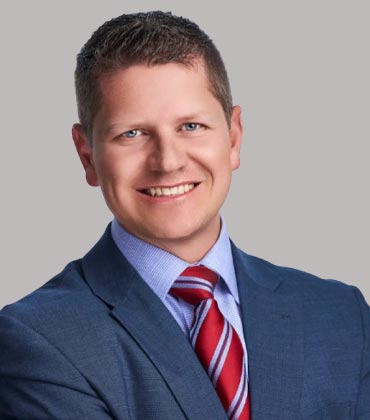
C. Adam Smith
C. Adam Smith serves as Chief Commercial Officer at Merit Medical Systems, heading the company's global commercial organization. Since joining Merit in 2018, he has held leadership roles, including international markets, marketing, franchises and regional operations, before becoming the CCO in 2025. His career reflects a focus on connecting commercial strategy with local market execution.
Keeping Global Teams Focused On Local Reality Commercial leadership in medical technology rarely follows a single playbook. Customer needs differ by region, healthcare systems operate under different reimbursement models and commercial priorities shift as product portfolios expand. Those differences place considerable weight on the decisions made by a chief commercial officer. Smith's responsibilities extend beyond sales performance. His role requires aligning commercial priorities across global markets while giving regional teams enough flexibility to respond to local customer expectations. Earlier leadership positions inside Merit, including oversight of international operations and responsibility for the EMEA region, provided direct exposure to those differences before he assumed global commercial leadership. That progression gives him experience in both regional execution and enterprise-wide decision making. The role also demands coordination with marketing, market development and commercial leadership teams so that product launches, customer engagement and market expansion move with a shared commercial direction. Balancing Growth With Commercial Discipline Medical device companies always face pressure to expand without losing focus on customer relationships or commercial consistency. Growth depends as much on disciplined execution as it does on introducing new technologies. Smith's career has largely centered on that balance. Before becoming Chief Commercial Officer, he served as Executive Vice President of Marketing and Franchises, managing commercial activities across the United States and EMEA markets. Earlier assignments inside Merit included leadership roles within the international business as well as General Manager of Operations for the EMEA region. Those experiences suggest an executive who understands how commercial performance develops over time. Market expansion depends on channel execution, organizational alignment and careful prioritization. His work increasingly involves creating consistency between regional organizations while allowing commercial teams to respond to changing customer requirements within their own markets. Connecting Strategy With Customer Conversations Commercial organizations often struggle when corporate strategy drifts away from what customers experience in the market. Leadership becomes more effective when market feedback influences commercial priorities instead of remaining isolated within regional teams. During his visits with the teams in Asia,he met with employees to discuss commercial priorities and shared goals. Those interactions point to a leadership approach that treats communication as a regular part of the job, not something reserved for major announcements. His earlier career outside Merit also contributes to that perspective. More than twenty years of working with medical devices, technology ventures and consumer businesses exposed him to different buying environments before returning to healthcare leadership. That broader commercial background can strengthen decision making where customer expectations continue to evolve. Commercial leadership in medical technology depends on turning corporate strategy into practical market execution without losing sight of regional realities. Smith's career demonstrates a steady progression through commercial, operational and international leadership roles that prepare him for that responsibility. Readers responsible for commercial organizations may recognize that sustainable growth often depends less on broad strategic statements and more on maintaining alignment between customers, regional teams and long-term business priorities.The articles from these contributors are based on their personal expertise and viewpoints, and do not necessarily reflect the opinions of their employers or affiliated organizations.
