

A featured contribution from Leadership Perspectives: a curated forum reserved for leaders nominated by our subscribers and vetted by our MedTech Business Review Europe Advisory Board.

Hamilton Healthcare System

Jared Marcus, MSHA, Director of Laboratory Services

Leadership That Retains: The Competitive Advantage Healthcare Organizations Cannot Afford to Overlook
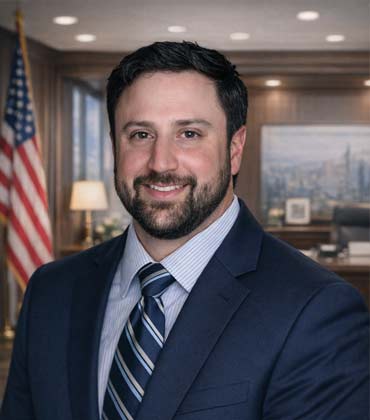
Jared Marcus

Jared Marcus

Diagnostic Excellence Champion

Leadership as the Key to Retention

Healthcare is experiencing one of the most significant workforce challenges in its history. Organizations across the country continue to invest in competitive compensation, enhanced benefits and aggressive recruitment strategies to attract qualified professionals.  While these investments remain important, they address only part of the equation. The true differentiator between organizations that merely recruit talent and those that retain it is leadership. 

Employee retention is no longer solely a human resources metric, it is a strategic business priority that directly influences financial performance, patient outcomes, operational efficiency and organizational culture. Every vacancy carries measurable costs, from recruitment expenses and onboarding to overtime, productivity losses and the impact on employee morale. High turnover disrupts continuity of care, strains existing staff and challenges an organization's ability to deliver consistent, high-quality patient care. 

The most successful healthcare organizations recognize that leadership is not defined by authority or title, but by the ability to create an environment where people are engaged, empowered and committed to a shared purpose. 

Leading with Purpose and Service

Leadership begins with vision. Employees perform at their highest level when they understand how their individual contributions support the organization's mission. Whether drawing blood in the laboratory, caring for patients at the bedside or maintaining critical support services, every role contributes to the patient’s experience. Leaders who consistently communicate that connection cultivate a workforce driven not only by responsibility, but by purpose. 

Equally important is a leadership philosophy grounded in service. Healthcare exists to serve patients and effective leaders must demonstrate that same commitment to serving their teams. Removing operational barriers, investing in professional development, providing necessary resources and creating opportunities for growth are not employee benefits, they are strategic investments in organizational performance. Employees who believe their leaders are genuinely committed to their success consistently demonstrate higher engagement, stronger accountability and greater organizational loyalty. 

Adapting Leadership to Build Stronger Teams

Effective leadership also requires adaptability. Every employee brings various levels of experience, confidence, point of view and expertise to the workplace. High-performing leaders recognize that leadership is not a one-size-fits-all approach. New employees often require coaching and structured guidance, while experienced professionals thrive when given autonomy and the opportunity to exercise their expertise. Leaders who understand these differences foster confidence, strengthen performance and develop future leaders from within their own organizations. 

Leadership is not defined by authority or title, but by the ability to create an environment where people are engaged, empowered and committed to a shared purpose.

Creating a Culture of Engagement

Perhaps one of the most overlooked drivers of employee retention is meaningful engagement. People have an inherent desire to be part of something greater than themselves to know that their work contributes to a larger mission and creates lasting value. In healthcare, that desire is amplified by a shared commitment to improving the lives of others. 

Frontline healthcare professionals possess invaluable operational insight. They understand workflow inefficiencies, recognize barriers to patient care and often identify the most practical and sustainable solutions to everyday challenges. Organizations that intentionally seek employee input before implementing change foster a culture of ownership rather than mere compliance. Employees who are invited to help shape decisions become invested not only in the success of the initiative, but in the success of the organization itself. When leaders consistently listen, collaborate and act on frontline feedback, they reinforce a culture where every individual understands that their expertise is valued and that their contributions directly influence organizational excellence. 

Recognizing and Supporting People

Recognition remains another powerful, yet frequently underutilized, leadership responsibility. Recognition is not about awards ceremonies or formal programs; it is about consistently acknowledging excellence, celebrating contributions and reinforcing behaviors that strengthen the organization. Wish employees happy birthdays, congratulate them for work anniversaries and make it easy for one employee to recognize another employee. Employees who feel valued are more engaged, more productive and significantly more likely to remain with the organization during periods of change and adversity. 

Just as importantly, exceptional organizations cultivate psychological safety. In healthcare, where decisions directly affect patient lives, employees must feel confident speaking up, reporting concerns, asking questions and identifying opportunities for improvement without fear of blame or retaliation. Organizations that encourage transparency and accountability consistently demonstrate stronger teamwork, higher morale, improved patient safety, higher quality outcomes and greater innovation. 

Building the Future through Leadership

While compensation remains a key component of recruitment and retention, it is rarely the deciding factor in long-term organizational commitment. Employees choose to remain where they trust leadership, where expectations are clear, where accountability is consistent, where growth is encouraged and where they believe their contributions are genuinely valued. 

As healthcare continues to face workforce shortages, financial pressures and rising patient expectations, one truth remains constant: technology can be purchased, facilities can be renovated and compensation can be adjusted but culture is built through leadership. 

The organizations that will thrive are those that invest in their people as intentionally as they invest in clinical excellence. Exceptional employees are not retained by incentives alone; they stay where they are trusted, valued, challenged and inspired to contribute to something greater than themselves. 

At the end of the day, the greatest asset in healthcare is not our buildings or our technology, it is our people. Leadership determines whether they simply come to work or choose to build their future with us.

The articles from these contributors are based on their personal expertise and viewpoints, and do not necessarily reflect the opinions of their employers or affiliated organizations.